Israel is approving the construction of new West Bank settlements at an unprecedented rate because it knows its window of impunity is closing — especially if Iran emerges intact from the war and the Republicans lose the U.S. midterms.


Israel is approving the construction of new West Bank settlements at an unprecedented rate because it knows its window of impunity is closing — especially if Iran emerges intact from the war and the Republicans lose the U.S. midterms.

It’s clear the Trump administration recognizes the Iran war has been a catastrophe. But while the U.S. may want a way out, the first round of negotiations with Iran showed that finding an exit may be difficult.

Michael Arria speaks with Afshin Matin-Asgari about his new book, “Axis of Empire,” and how the history of Iran–U.S. relations offers crucial context for understanding Trump’s current war.

The entire Israeli political spectrum is united in blasting Netanyahu for not continuing to attack Iran, and Israeli society agrees. The reason, to put it simply, is that Israelis are war junkies.
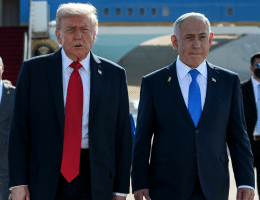
As the shaky ceasefire between the U.S. and Iran holds, only Israel has an incentive to continue fighting, as Netanyahu is widely seen as having lost the war. If there is to be a durable end to this war, the U.S. will be forced to rein in Israel.

Hours after Iran and the U.S. reached a two-week ceasefire agreement, Israel launched a massive bombing campaign across Lebanon, killing hundreds of people and threatening to derail the U.S.-Iranian ceasefire before it even begins.

Donald Trump’s naked threats to target Iran’s civilian infrastructure are the culmination of a strand of neoconservative thought that has defined U.S. war-making over three decades, from the Iraq war to Obama’s drone campaigns to the Gaza genocide.

Trump faces a disaster of his own making in Iran. He had no plan to address Iran’s predictable retaliation, including closing the Strait of Hormuz, but even if he did, he faces another problem: Israel, his disastrous choice for a partner in crime.

A month into the Iran war, it is clear that Israel aims to disrupt any possible off-ramp the Trump administration and Iran may be looking for to end the fighting, and that Iran, not the U.S., is the key actor that will determine how the war ends.

These are signs of the growing impatience of Iran’s Arab neighbors with Iran’s tactic of striking at them in response to Israeli or American attacks. But the anger of the Gulf states isn’t only reserved for Iran.