Israel’s reactionary response to Palestinian reconciliation demonstrates the country’s future is clearly one of violence, xenophobia, and intransigence.


Israel’s reactionary response to Palestinian reconciliation demonstrates the country’s future is clearly one of violence, xenophobia, and intransigence.

The Israeli military needs your help! It is holding a contest to choose a “celebratory logo” to mark the Israel Defense Forces’ 70th birthday. To be honest, the choices are not very exciting. But don’t worry, we have ideas!
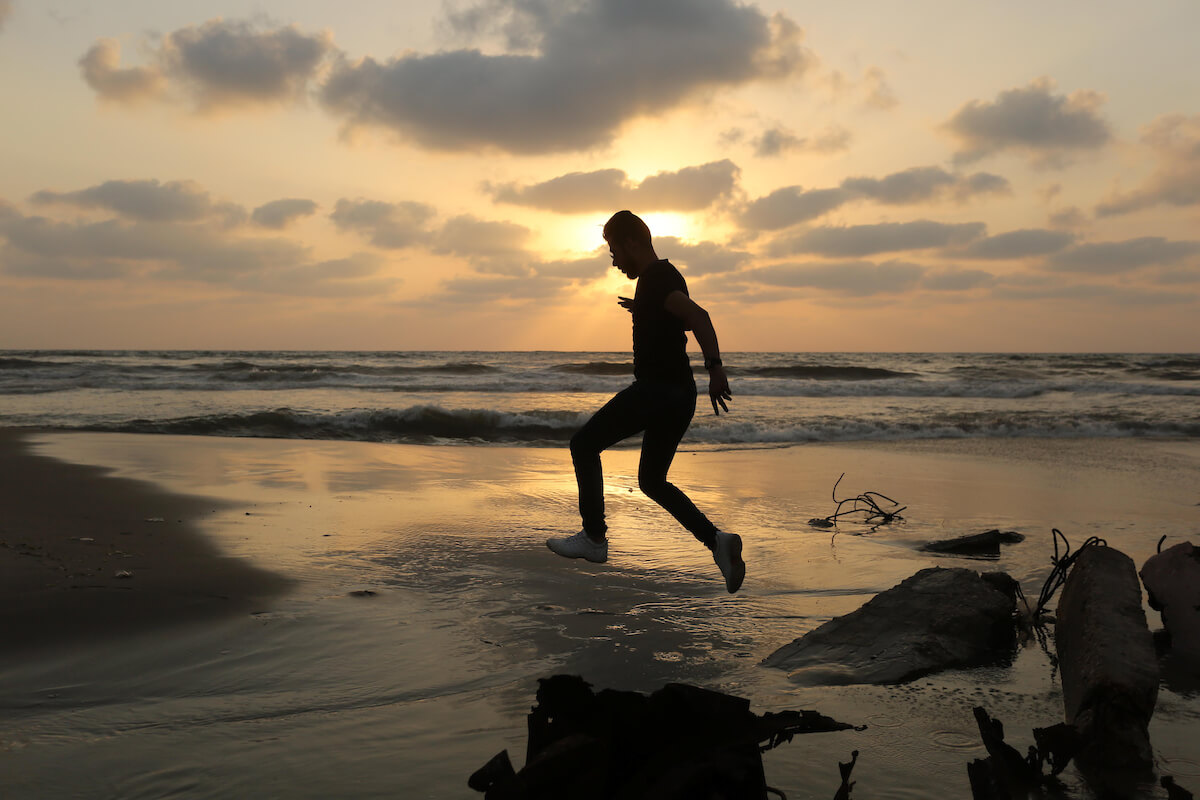
Haidar Eid writes: The way I look at it is that by allowing Israel to impose this unprecedented blockade on 2 million civilians and launching three massive wars on them in 2008, 2012, and 2014, the post-WWII International Community has failed to uphold principles of justice and peace. It is therefore incumbent on civil society to take the lead. Hence the hope created amongst Palestinians by the huge successes achieved the BDS movement. It is, as I keep repeating, the only window of hope we victims of occupation, apartheid and settler colonialism have in the era of Donald Trump and Benjamin Netanyahu.
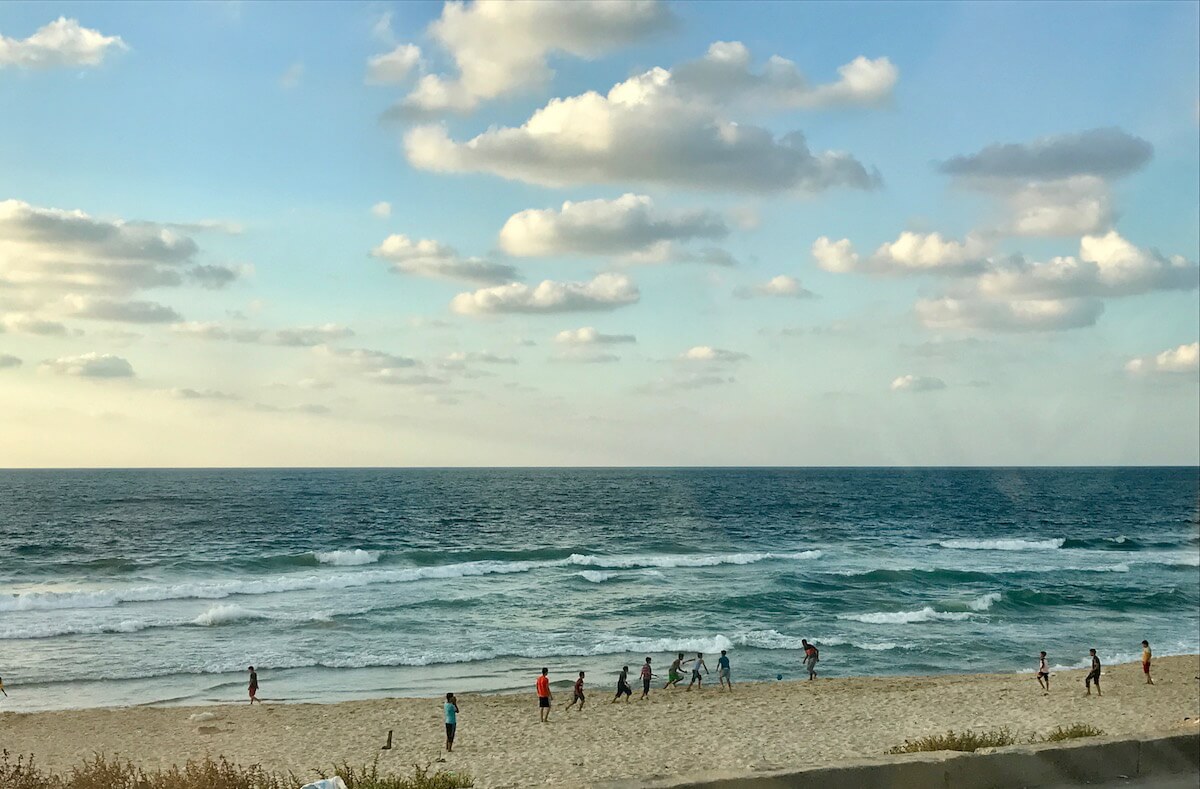
Jennifer Bing just returned from Gaza and says there a new spirit of hope following the Palestinian reconciliation deal. “We are happy to feel any kind of hope, but reconciliation must result in the liberation of Palestine,” a fisherman on the docks in Gaza City tells her. “We are the port to the world, but the blockade needs to end.”
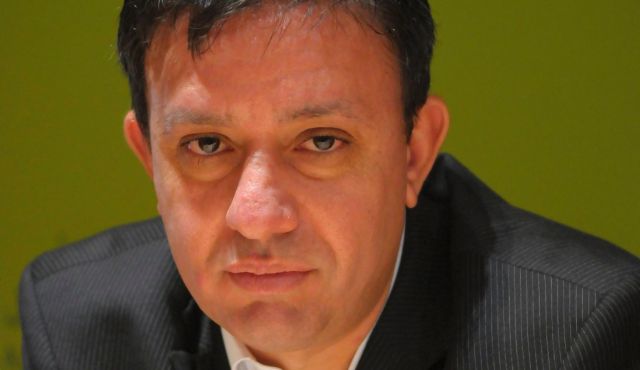
Avi Gabbay, the new leader of Labor in Israel, is emulating Netanyahu, saying he will not evacuate settlements and won’t form a governing coalition with Palestinian parties. Liberal Zionists are outraged, but they should understand, this is Zionism.

Maimas is a newly formed band based in the besieged Gaza Strip. Palestinian activist, singer and intellectual Haidar Eid says “songs are an organizing tool in the arduous work of overthrowing occupation and apartheid. We hope that our songs will document the Palestinian desire to be free from the ravages of colonialism.” The band is currently raising money to record their first album.
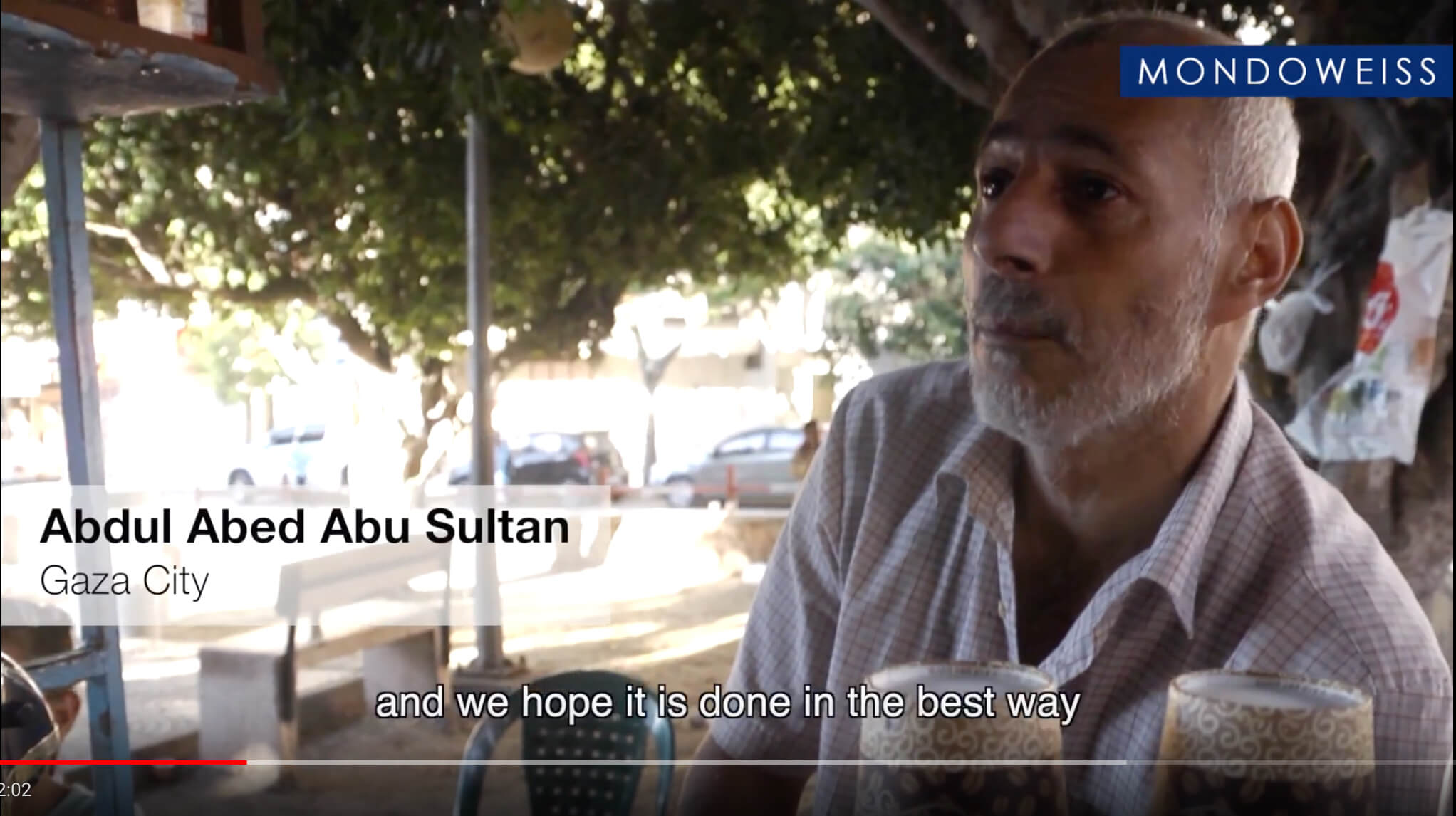
After long negotiations, Palestinian movements Fatah and Hamas have reached a reconciliation agreement. Gazans rejoiced and entertained hopes for a better future. But a week after the agreement between the two movements was signed, Gazans now have mixed feelings about the reconciliation.
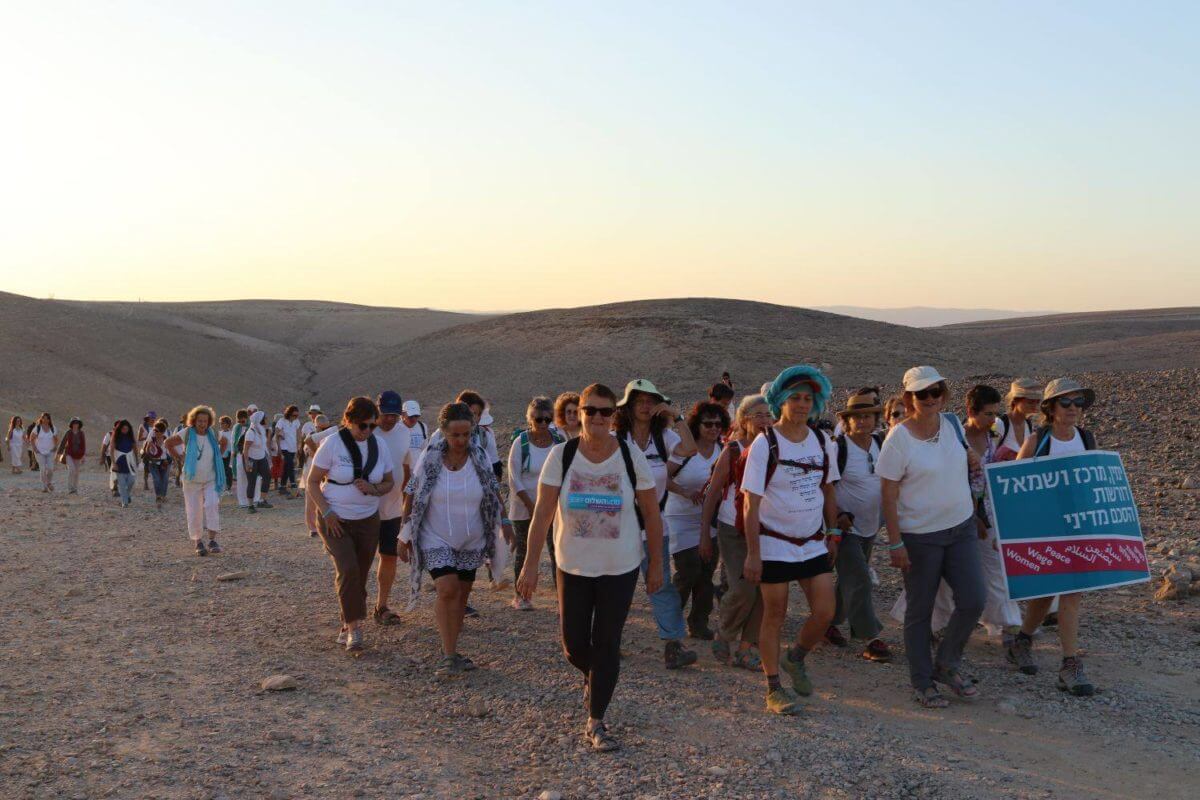
Jonathan Ofir criticizes the recent Women Wage Peace march for avoiding politics and refusing to take the occupation on directly: “when the party is over, the Palestinians go to their Bantustans, and the ‘moderate settler women’ drive on their Jewish-only roads to get to their settlements. If only the Arabs could somehow accept this as ‘peace’, then all would be well.”

Follow the Women was founded in 2004, and this year 120 women from the United States, England, Iran, Italy, Jordan, China, Japan, Poland, Turkey, Palestine, Syria, Lebanon, France, Germany, Belgium and Cyprus biked all over Lebanon visiting Syrian and Palestinian refugee camps, not-for-profit foundations, former prison camps, cafes, schools and even a micro-brewery and soap factory.

Artist Katie Miranda shares more images from her visit to the West Bank. They highlight surveillance and the indignities of daily life for Palestinians. She writes: “No blood or high drama, so it’s nothing ‘newsworthy.’ It’s just everyday life.”