With 64 percent of Palestinians under 30 and elections announced for November, a generation that has never voted is being asked to trust a political system that has failed them — before, during, and after the genocide in Gaza.


With 64 percent of Palestinians under 30 and elections announced for November, a generation that has never voted is being asked to trust a political system that has failed them — before, during, and after the genocide in Gaza.

A UAE-sponsored plan by exiled Fatah dissident Muhammad Dahlan to “end Palestinian division” has quietly become the working platform for an unlikely electoral alliance with Hamas. Here is what this could mean for the future of Palestinian politics.

Hamas, Islamic Jihad, and rival Fatah dissidents have united in an unprecedented coalition for the first Palestinian elections since 2006. But Israeli repression and foreign pressure raise doubts about whether free politics is possible under occupation.

Hours after Donald Trump announced a “historic” agreement for disarming Hamas and Israel’s withdrawal from Gaza, Israel attacked Gaza, killing 19. Palestinians weren’t surprised. “We don’t trust Israel, and we don’t trust America,” said one resident.
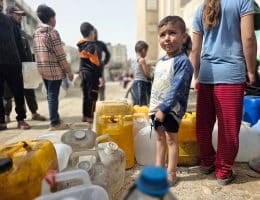
Hamas dissolved its government in Gaza to remove any obstacle to reconstruction, but little has changed for ordinary Palestinians in the Strip — because Israel ultimately controls whether the nightmare it has inflicted on them will ever end.
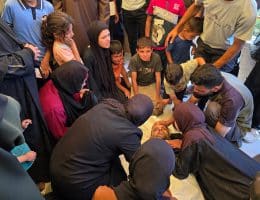
In Gaza, a ‘ceasefire’ means Israel can kill more than a dozen people in under 24 hours — and over 1,000 people since the ceasefire took effect in October 2025 — while the world remains silent.
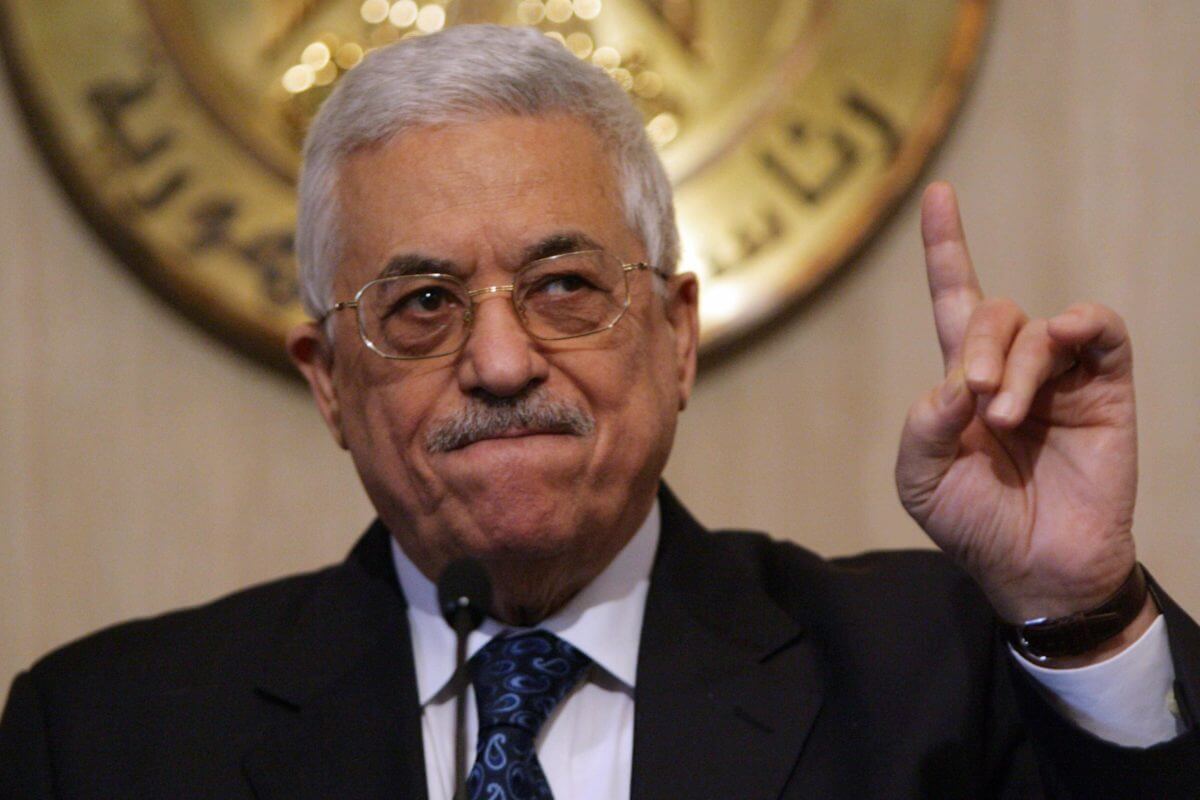
Palestinians are in a political crisis. With Palestinian society divided, and no unified national leadership to represent it, regional and global powers are drawing up plans for the future of Gaza and Palestine – without any say from Palestinians.

The U.S. appears ready to reassess its tactics in carrying out Donald Trump’s plan for Gaza. The news vindicates the strategy Palestinians have used during the ceasefire to avoid the surrender Israel has demanded in exchange for ending the genocide.
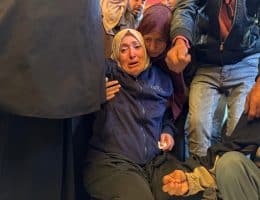
On Wednesday, Israel killed 33 Palestinians, including 12 children, in its latest violations of the Gaza ceasefire. Those killed include Palestinian families trying to return home and others caught in Israeli attempts to assassinate Hamas leaders.
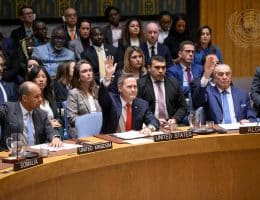
The UN Security Council voted in favor of Trump’s “peace plan” for Gaza, effectively giving the U.S. and Israel the mandate to push forward their vision for Gaza’s future – a future that, notably, features no consideration for what Palestinians want.