A bill in Congress aims to dismantle UNRWA, the UN agency for Palestinian refugees. It is part of a coordinated campaign to eliminate the possibility of justice for Palestinian refugees. Palestinians must resist before it’s too late.


A bill in Congress aims to dismantle UNRWA, the UN agency for Palestinian refugees. It is part of a coordinated campaign to eliminate the possibility of justice for Palestinian refugees. Palestinians must resist before it’s too late.
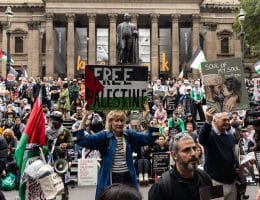
In response to the Bondi Beach attack, there is a push in Australia to adopt definitions of racism, including antisemitism. We must reject this effort because its ultimate goal is to criminalize anti-Zionism and to further settler colonialism.

Benjamin Netanyahu gushed about his White House meeting with Donald Trump this week, but the meeting was most notable for what went unsaid about Iran.

Next week’s Michigan primary between Dr. Abdul El-Sayed and Haley Stevens is a referendum on AIPAC’s influence within the Democratic Party.
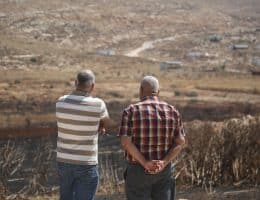
Israel’s “decisive” plan to annex the West Bank is coming to a head as the Israeli government pushes to depopulate Palestinian villages throughout the territory. Once a hub of resistance, the West Bank’s Palestinians now find themselves defenseless.

Settler violence in the West Bank is escalating toward what Israeli leaders call a “decisive” goal: the depopulation of entire villages throughout the West Bank. As Palestinian journalists, we’re navigating how to cover this reality while living it.

Palestinian Americans have transformed the U.S. debate over Palestine in ways unimaginable just a few years ago. Now, the question is whether they are prepared to build institutions that can turn these shifting attitudes into real political power.

The White House announced an agreement to supply nuclear material to Saudi Arabia, and then killed its own deal by linking it to normalization with Israel under Israeli pressure. But even if the deal fails, it will significantly impact Gulf politics.
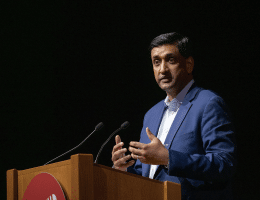
Rep. Ro Khanna’s recent detention by Israeli settlers in the West Bank made international headlines and raised awareness, but awareness alone isn’t enough. We need Khanna and sympathetic politicians like him to take action to end Israeli impunity.

Nearly every day, a Palestinian citizen of Israel is killed by gang violence within Israel. The crisis has been years in the making, but its roots trace back to Israel’s war on Palestinian political activity.