Settler attacks in the West Bank are ongoing with the enthusiastic approval of the Israeli army, as Palestinians are barred from accessing their own land, and their olive groves, for the fourth year in a row.
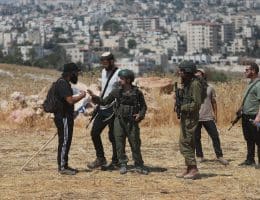

Settler attacks in the West Bank are ongoing with the enthusiastic approval of the Israeli army, as Palestinians are barred from accessing their own land, and their olive groves, for the fourth year in a row.

The documentary film by Yuval Abraham and Rachel Szor follows the predictable script of the regretful soldier, but the subjects in NAZA express something darker: mourning the loss of power.
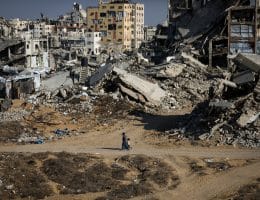
Three years since October 7, Palestine remains ground zero for a world where the unthinkable has become banal. Our Gaza and West Bank writers reflect on what has been lost and what this new normal has meant for Palestinians.
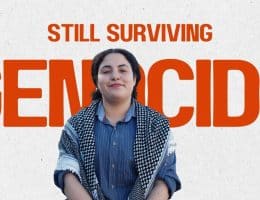
Palestinian journalist Bisan Owda reflects on three years of genocide in Gaza, a life lost forever, and her unending work to tell the truth.
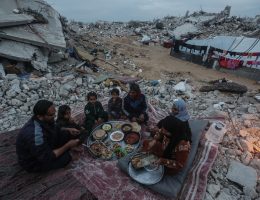
In scattered tents across Gaza, families once bound by shared meals and evenings by the sea now focus solely on survival. The rituals that once bonded fathers to their children, or women to their neighbors, have been shattered by Israel’s genocide.
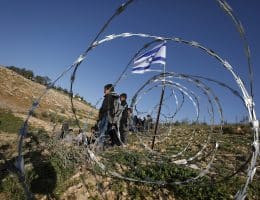
From my uncle’s exasperated sighs over olive groves we can no longer reach, to the iron gates the Israeli army has erected at the edge of my village, there is one word we use to cope: ‘aadi’, or, “normal” in Arabic. But this reality is anything but.

In Gaza, an entire generation of children born into the genocide has no memory of how life was like before, and doesn’t know about the world outside Gaza’s walls.
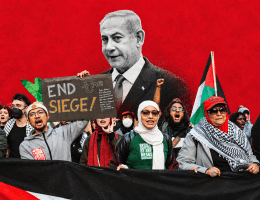
Since October 7 and the Gaza genocide, U.S. opinions on Israel and Palestine have drastically shifted. The power of Zionist propaganda has been permanently weakened, and the U.S.-Israel relationship is in a more precarious position than ever before.

A Boston-area event featuring the Palestinian activist Mahmoud Khalil had to be moved after pro-Israel activists rallied outside the original venue
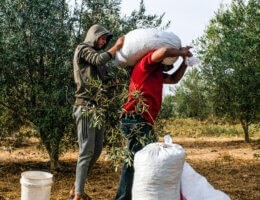
The Israeli army has bulldozed over 1.6 million olive trees in Gaza since the beginning of the genocide in 2023, threatening the livelihood and heritage of olive farming communities, and the survival of a centuries-old Palestinian cultural tradition.