Palestinian Americans have transformed the U.S. debate over Palestine in ways unimaginable just a few years ago. Now, the question is whether they are prepared to build institutions that can turn these shifting attitudes into real political power.
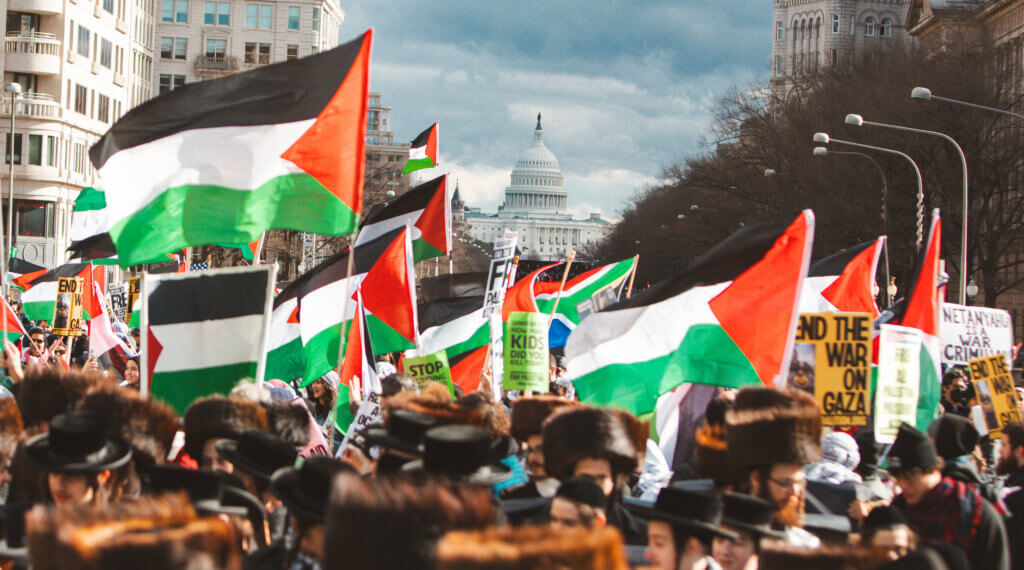

Palestinian Americans have transformed the U.S. debate over Palestine in ways unimaginable just a few years ago. Now, the question is whether they are prepared to build institutions that can turn these shifting attitudes into real political power.
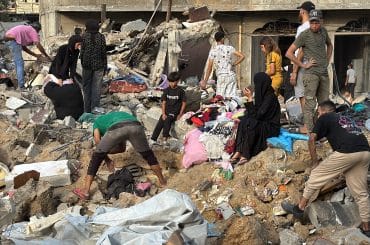
Amid an alleged ceasefire, Israel continues massacring Palestinians and stealing land in Gaza. The ongoing violence is not accidental: it is a political necessity for any Israeli government in power.

The White House announced an agreement to supply nuclear material to Saudi Arabia, and then killed its own deal by linking it to normalization with Israel under Israeli pressure. But even if the deal fails, it will significantly impact Gulf politics.

Palestinian Americans have transformed the U.S. debate over Palestine in ways unimaginable just a few years ago. Now, the question is whether they are prepared to build institutions that can turn these shifting attitudes into real political power.
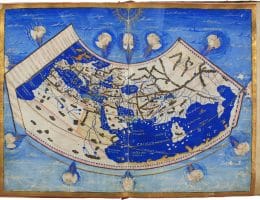
Tom Suárez’s “Palestine Mapped” is an essential guide to how conceptions and mappings of the “Holy Land” have evolved over millennia and why they continue to influence political thought today.
Amid an alleged ceasefire, Israel continues massacring Palestinians and stealing land in Gaza. The ongoing violence is not accidental: it is a political necessity for any Israeli government in power.
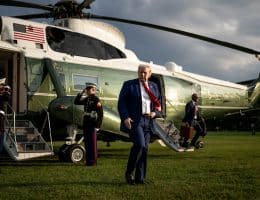
The White House announced an agreement to supply nuclear material to Saudi Arabia, and then killed its own deal by linking it to normalization with Israel under Israeli pressure. But even if the deal fails, it will significantly impact Gulf politics.

Following an Israeli settler attack on the Palestinian village of Tell, which resulted in the death of two Israelis and four Palestinians, the Israeli army has approved large-scale “offensive plans” for the West Bank amid settler reprisal attacks.
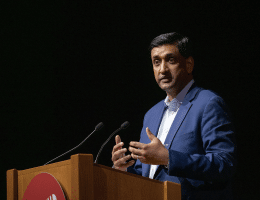
Rep. Ro Khanna’s recent detention by Israeli settlers in the West Bank made international headlines and raised awareness, but awareness alone isn’t enough. We need Khanna and sympathetic politicians like him to take action to end Israeli impunity.

Nearly every day, a Palestinian citizen of Israel is killed by gang violence within Israel. The crisis has been years in the making, but its roots trace back to Israel’s war on Palestinian political activity.
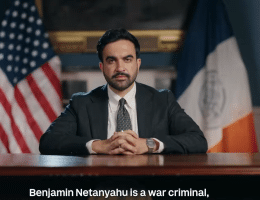
NYC Mayor Zohran Mamdani released a social media video calling Benjamin Netanyahu a war criminal and it predictably led to a full-scale pro-Israel meltdown.

The House of Representatives has passed a $1 trillion bill that includes a provision critics say amounts to integrating the U.S. and Israeli militaries. Human rights groups and lawmakers are sounding the alarm as the bill now advances to the Senate.

In a widely read New York Times article, Nicholas Lemann claims anti-Zionism in the progressive world marginalizes Jews. Yet his failure to even mention Palestinians reveals his ignorance of Zionism’s role in driving the crisis he seeks to confront.
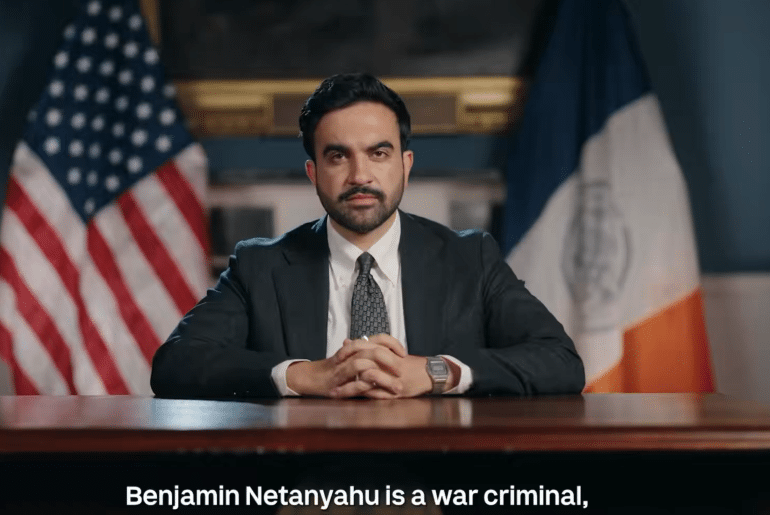
NYC Mayor Zohran Mamdani released a social media video calling Benjamin Netanyahu a war criminal and it predictably led to a full-scale pro-Israel meltdown.


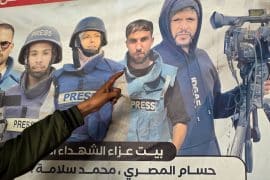
Amid an alleged ceasefire, Israel continues massacring Palestinians and stealing land in Gaza. The ongoing violence is not accidental: it is a political necessity for any Israeli government in power.

Following an Israeli settler attack on the Palestinian village of Tell, which resulted in the death of two Israelis and four Palestinians, the Israeli army has approved large-scale “offensive plans” for the West Bank amid settler reprisal attacks.

The House of Representatives has passed a $1 trillion bill that includes a provision critics say amounts to integrating the U.S. and Israeli militaries. Human rights groups and lawmakers are sounding the alarm as the bill now advances to the Senate.
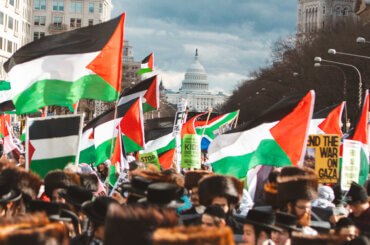
Palestinian Americans have transformed the U.S. debate over Palestine in ways unimaginable just a few years ago. Now, the question is whether they are prepared to build institutions that can turn these shifting attitudes into real political power.
The White House announced an agreement to supply nuclear material to Saudi Arabia, and then killed its own deal by linking it to normalization with Israel under Israeli pressure. But even if the deal fails, it will significantly impact Gulf politics.
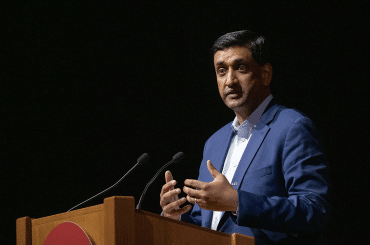
Rep. Ro Khanna’s recent detention by Israeli settlers in the West Bank made international headlines and raised awareness, but awareness alone isn’t enough. We need Khanna and sympathetic politicians like him to take action to end Israeli impunity.
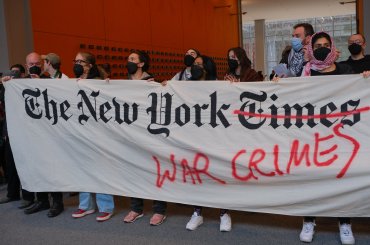
Professor Elliott Colla was a lifelong New York Times reader but can no longer trust the paper due to its coverage of Gaza. In fact, he’s found that there is a strong case for prosecuting many at the paper for their role in the genocide.

Gaza doctor Hussam Abu Safiya has been detained by Israel for a year and a half without trial and says his jailers are trying to kill him. His case has made international headlines, yet it is being ignored in the U.S. Why?
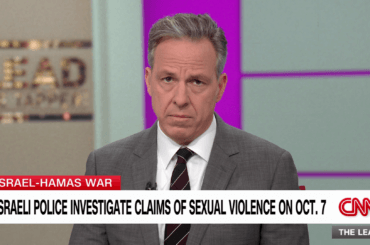
Robin Andersen’s indispensable new book, The Complicit Lens, offers a comprehensive examination of the media’s role in supporting the Israeli genocide in Gaza.